Good evening.
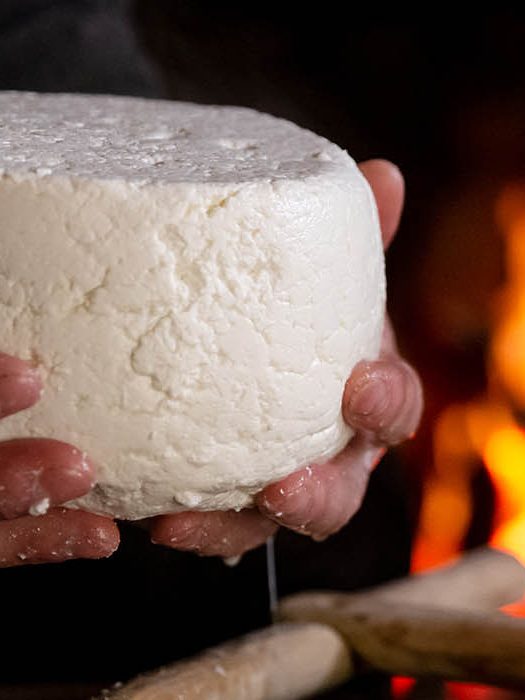
Nine degrees, clear sky, the stove is lit.
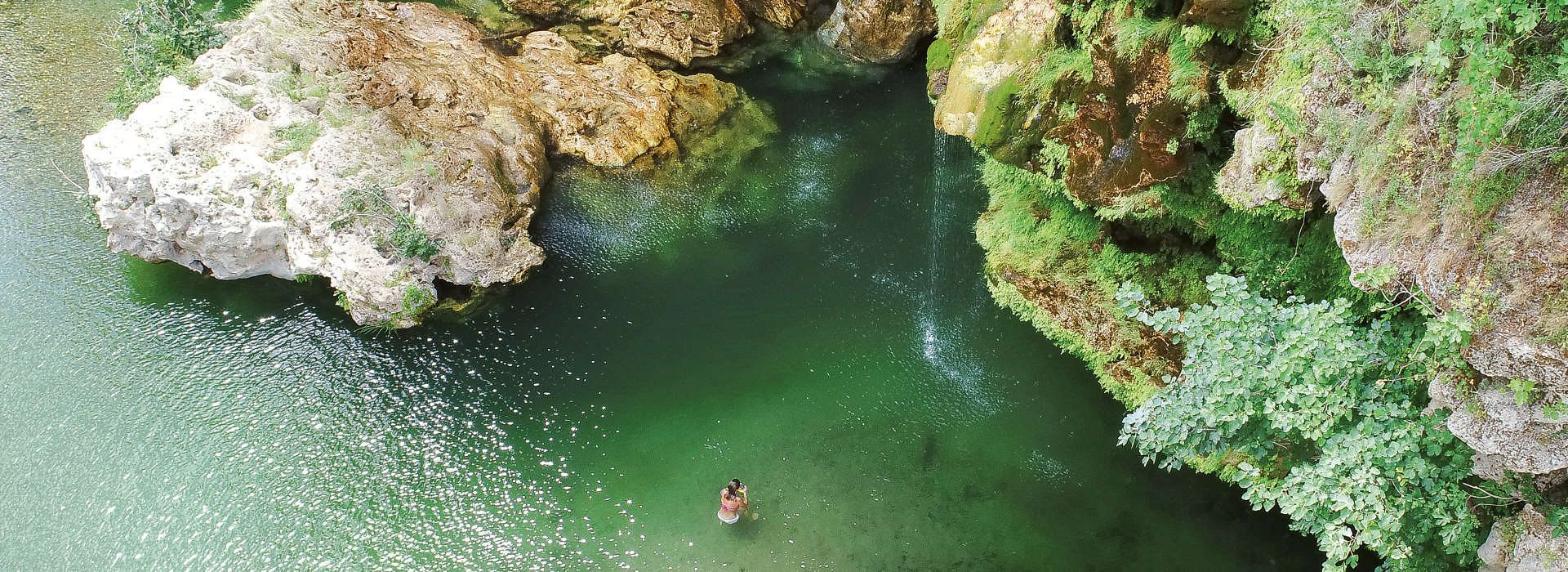
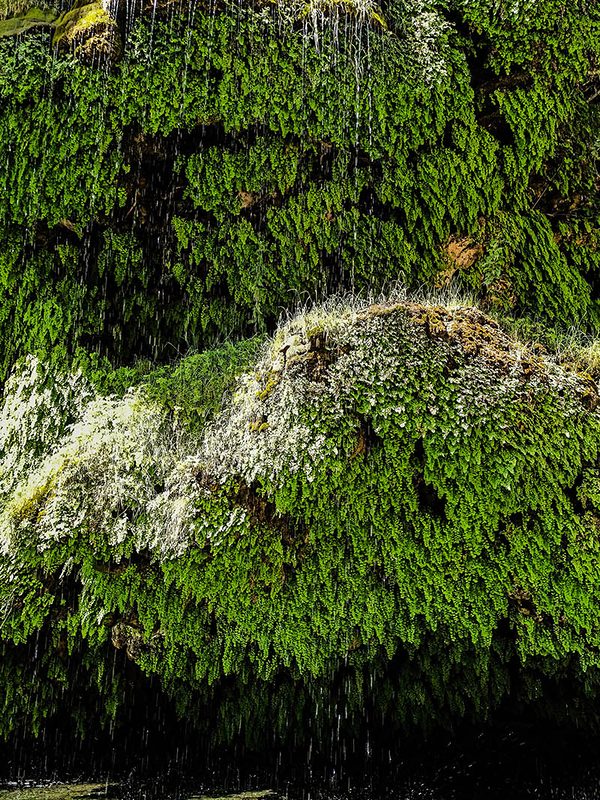
Full moon walk to Sa Stiddiosa.
Forty minutes down. Bring nothing.
Things you cannot book
anywhere else.


Dinner.


This page is private. Please enter the access code sent with your invitation.
Alta Sera acquires clusters of abandoned heritage property in depopulating villages, restores them to premium standard and operates them as a single distributed destination.
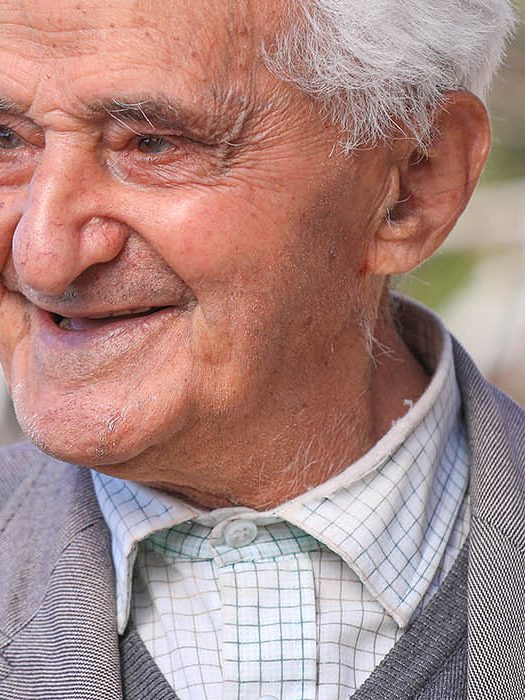
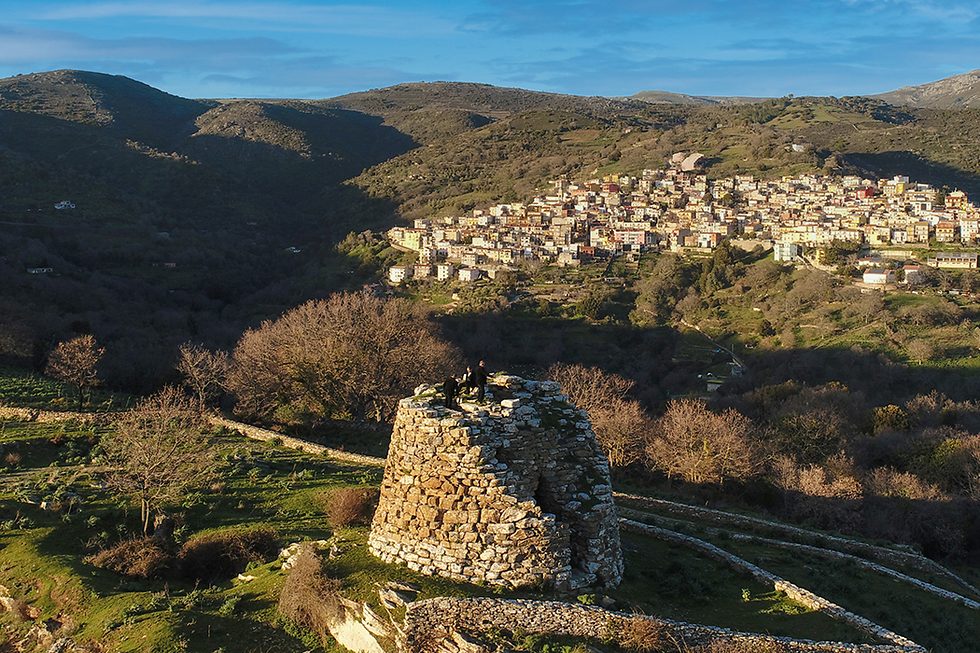
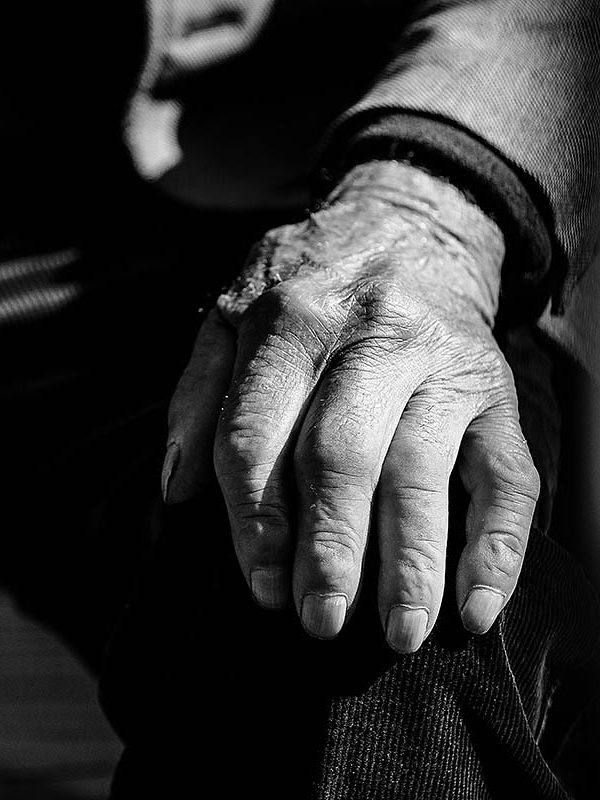
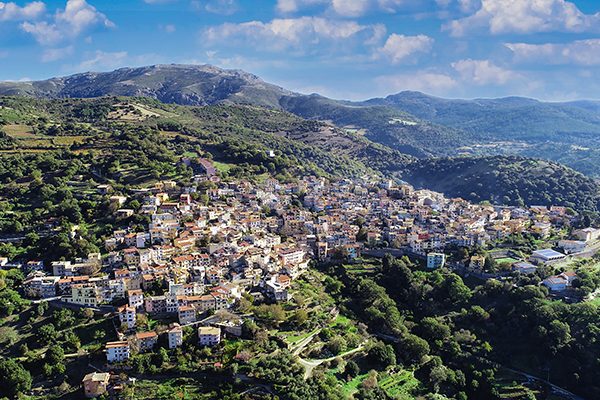
The first village is Seulo, in the mountains of central Sardinia. It sits inside one of the world's five Blue Zones and holds the highest recorded concentration of centenarians of any municipality on earth. Acquisition costs are a fraction of comparable heritage stock, the municipality is an active supporter and no scaled platform exists in this category.
The plan acquires nineteen heritage buildings. Eighteen become guest homes and the nineteenth becomes the central hub holding the spa and the restaurant, trading across seven revenue lines. Investors own the property portfolio. Founders own the operating brand.
| Application | € | Share |
|---|---|---|
| Property acquisition & registration tax | 1,776,700 | 15.4% |
| Restoration & construction | 4,423,358 | 38.5% |
| Spa & hospitality facilities | 1,500,000 | 13.0% |
| Professional fees | 265,000 | 2.3% |
| Brand, team & pre-opening | 2,766,000 | 24.1% |
| Development contingency | 600,000 | 5.2% |
| Buffer | 168,942 | 1.5% |
| Total | 11,500,000 | 100% |
100% equity, no development debt. A VAT bridge facility of approximately €600,000 is anticipated to carry recoverable construction VAT until refund. It is secured on the tax receivable rather than on the property.
The eighteen houses represent roughly three quarters of the property capital and produce a low direct yield. The central hub and spa represent roughly a quarter of the capital and produce almost all of the operating income.
| Capital | Revenue | Yield on capital | |
|---|---|---|---|
| Residential (18 units) | €6.38M | €1.54M | 2.6% |
| Hub & spa | €2.00M | €4.98M | 64.4% |
The two are not separable. The events business depends on the bed count the houses provide, so residential is best understood as enabling infrastructure supported by the venue. This is an operating return rather than a property appreciation play.
| Exit | Distributions | Sale proceeds | Total | Multiple | IRR |
|---|---|---|---|---|---|
| Year 5 | €6.0M | €8.1M | €14.1M | 1.53× | 10.7% |
| Year 7 | €8.8M | €8.6M | €17.3M | 1.88× | 12.5% |
| Year 10 | €13.2M | €9.3M | €22.5M | 2.45× | 13.7% |
On €9.2M of investor capital. Distributions are stated after Italian corporate tax (IRES and IRAP). Sale proceeds are the investor's 80% share of a blended property valuation, net of 5% disposal costs. Capital is repaid from distributions alone by year eight.
| Scenario | Year 5 revenue | Year 5 margin | Multiple | IRR |
|---|---|---|---|---|
| Bear: revenue −20%, cost +10% | €6.6M | 0.3% | 0.90× | −1.0% |
| Base | €8.3M | 27.5% | 2.45× | 13.7% |
| Bull: revenue +15%, cost −5% | €9.5M | 40.1% | 3.48× | 22.7% |
The bear case returns less than the capital invested. It is presented because a downside that cannot be stated is a downside that has not been modelled.
The project is deliberately unlevered through development. There is no trading history to underwrite, no income to service a loan and unrestored village stock carries little security value. Development debt would be expensive, slow and dilutive of control.
Once stabilised, that changes. We are not asking a lender to value a village. We are asking them to lend against an established income stream, and not until it exists.
| Year 3 refinance | No debt | c.€6M facility |
|---|---|---|
| Investor IRR | 13.7% | 16.6% |
| Equity multiple | 2.45× | 2.26× |
| Capital returned by year 3 | €3.3M | €7.8M |
Indicative metrics at refinance: 56% loan-to-cost, 36% debt yield, 6.0× interest cover, comfortably inside typical stabilised hospitality lending criteria. Debt raises IRR by returning capital earlier and lowers the multiple through interest cost.
| Base split (investor / founder) | 80 / 20 |
| Above a 15% IRR hurdle | 70 / 30 |
| Development period | 24 months |
| Investor capital | €9.2M |
| Payback from distributions | Year 8 |
Investors hold 80% of the property portfolio. Founders hold 20% and the operating brand, and earn an enhanced share only once investors have cleared a 15% IRR. Exit is flexible: individual units, the full portfolio or continued hold for income.
Nineteen buildings across multiple private owners, and prices can move once intent is known. Mitigated by staged acquisition, preliminary contracts secured before capital is deployed and a walk-away threshold on every property.
Soprintendenza approval for historic stone buildings is slow and can dictate materials and methods. Mitigated by pre-application engagement with the Comune, with consent milestones as conditions precedent to construction drawdown.
Heritage restoration carries genuine overrun and delay risk against a 24-month base case. Mitigated by a bottom-up quantity-surveyed cost plan, €600,000 of contingency held as cash, phased drawdown and a bear case modelled at 15% overrun.
A new destination at 900m altitude with limited winter demand and no trading history. Wellness, events and long-stay programming are designed to carry shoulder and off-season months. Year one is modelled as a ramp year.
Inland Sardinia has a thin comparable market and branded-residence premiums are unproven for new brands. Returns are therefore underwritten on operating income rather than capital appreciation, with three exit routes available.
A village of 750 people cannot supply a full hospitality team locally. Mitigated by staff accommodation within the portfolio, recruitment through an existing multi-site operating platform and regional training partnerships.
Ancillary revenue separates a good hospitality business from an ordinary one, and it is the part most operators leave on the table. Asking a guest to buy something face to face is awkward, and staff do not do it consistently.
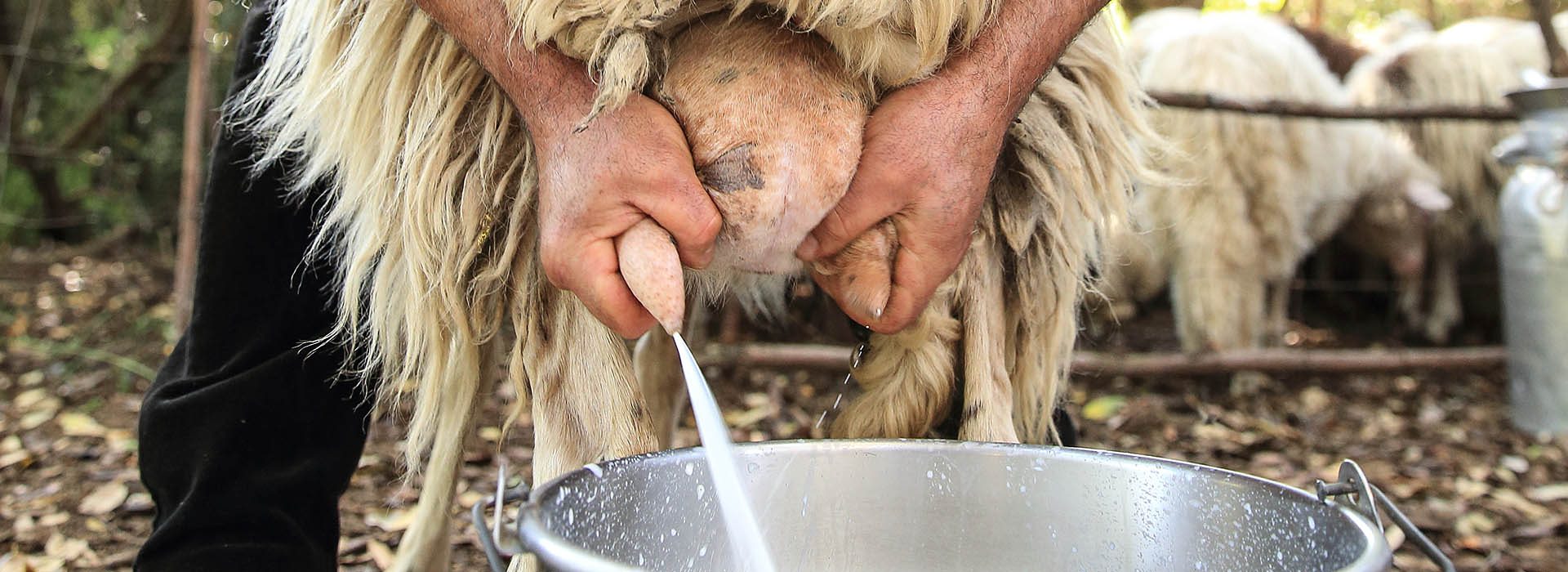
Every house has a tablet. It controls the building, it shows what is happening in the village that day, and it sells the experiences. No queue, no reception desk, no awkward conversation. A guest books a dawn milking or a private table by the river at eleven at night, in a dressing gown.
It runs on the same operating platform that manages 1,300 units across the UK and Ireland today, including an automated messaging layer that resolves most guest enquiries without a human. The distributed model works because the systems already exist.
Nine degrees, clear sky, the stove is lit.
Forty minutes down. Bring nothing.


A guest who books three experiences in a week is worth several hundred euro more than one who books none, at a very high margin, because the cost sits with the shepherd, the cook and the archaeologist rather than with us. It also does something a spreadsheet cannot show. It makes the village itself the product, and it means the people who live in Seulo are the reason to come, and are paid for it.
Experience pricing shown is indicative. Ancillary revenue is deliberately excluded from the financial projections on this page.
Figures are drawn from the Alta Sera development model v2.3 (August 2026) and are stated after Italian corporate tax at 27.9% with a 3% capital allowance on qualifying build cost. The model is available in full to investors under NDA, together with the quantity-surveyed cost plan.
Three assumptions carry disproportionate weight and are disclosed deliberately. First, weddings and corporate events represent approximately 49% of year-one revenue in a market where the island hosts a limited number of destination events annually. That line is being rebuilt from bottom-up operational drivers. Second, the exit valuation applies €2,800 per square metre, which sits at the upper end of Sardinian evidence and above inland comparables. Third, a 30% branded-residence premium is applied, where the published evidence comes predominantly from established hotel brands. Investors should test all three.
Nothing on this page constitutes an offer, an invitation to invest or financial advice. Projections are estimates and not guarantees. Capital is at risk and investors may receive back less than they invest, as illustrated in the bear case above.
The full model, the quantity-surveyed cost plan, the property schedule and municipality correspondence are available in the data room on request.
ben@alta-sera.comA place inhabited for six thousand years cannot be built. It can only be restored.