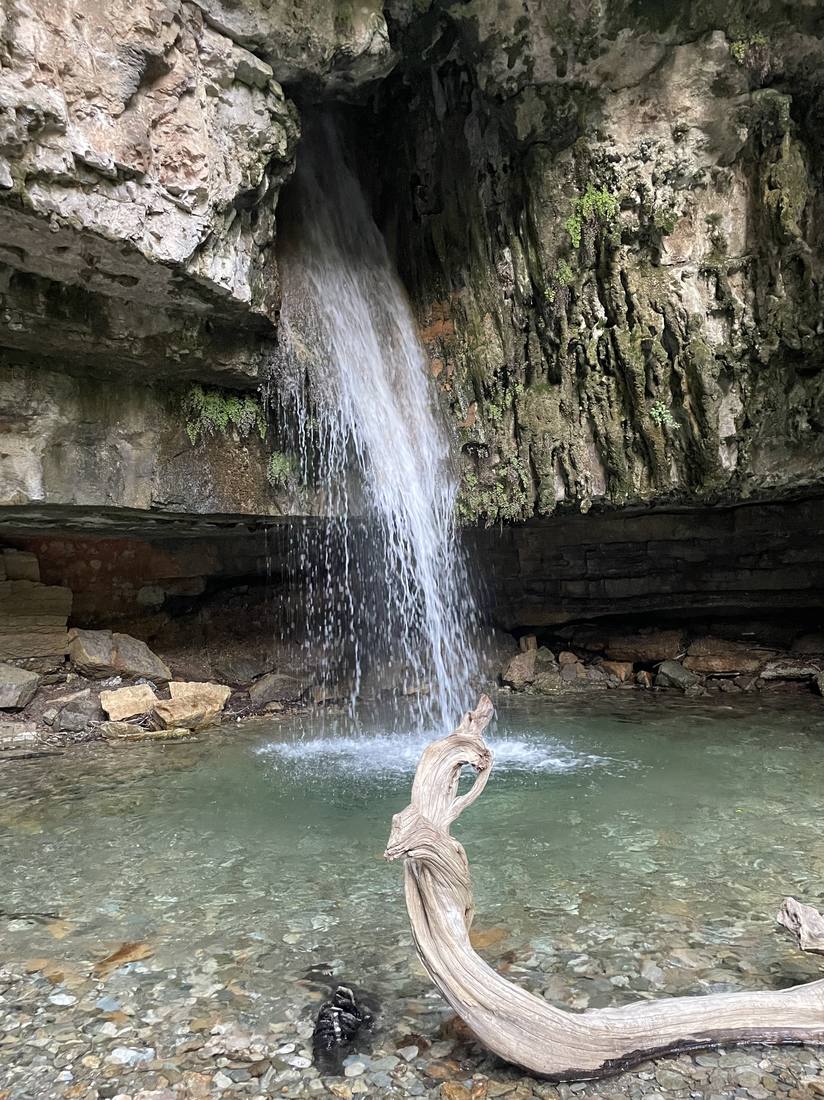
A waterfall from a cave mouth into a pool in the Flumendosa gorge

The village will empty in a generation. Unless somebody does something.

Seulo sits at 900 metres in the mountains of Sardinia. It has more recorded centenarians per head than anywhere on earth, a gorge with water you can swim in, and fewer than a thousand people left.

Seulo · Barbagia · Sardinia
Certified Blue Zone since 2016
A distributed hotel across a living village
The place

There is nothing grand about Seulo, and that is the point.

The geologist Mario Tozzi wrote about these villages in L'Italia Intatta and said plainly that they have no particular architectural beauty, and that they rather resemble one another. He is right. This is not Tuscany and it does not pretend to be.

What Seulo has instead is harder to build and impossible to fake. A limestone gorge with waterfalls falling out of caves. Cattle grazing on ridgelines at dusk. Cheese and bread and wine made by people whose families have made them here for centuries. And an extraordinary number of people who live past a hundred.

Alta Sera restores the buildings because you have to sleep somewhere. The reason to come is everything around them.

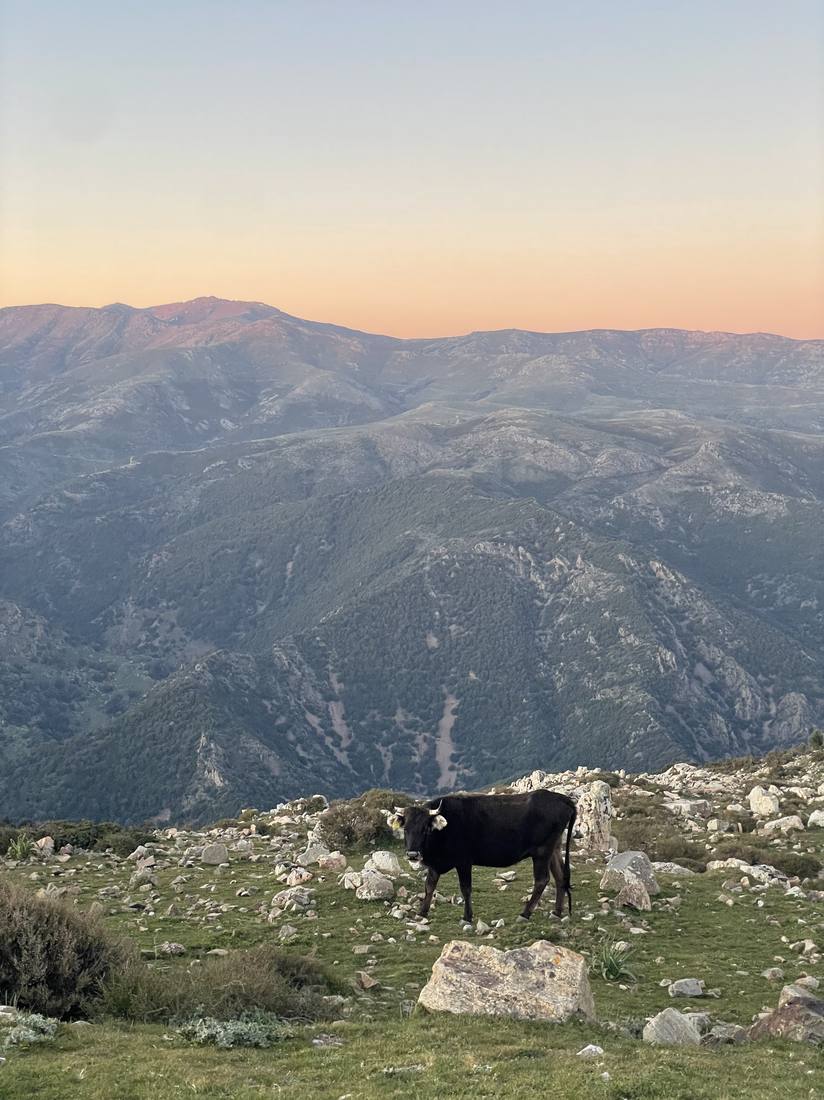
A cow on a ridge at sunset
Semi-wild cattle on the ridge above the village. The working landscape is not a set.
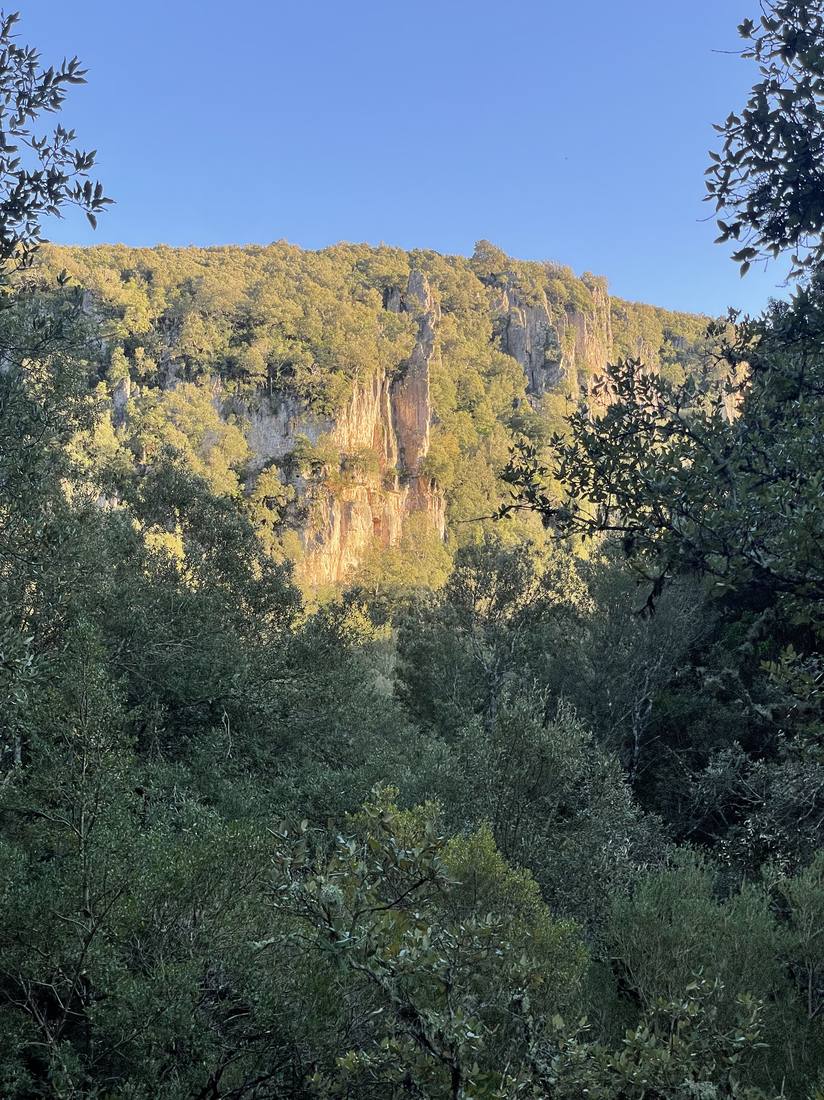
Limestone cliff above forest
The tacchi limestone formations that give the Barbagia its shape.
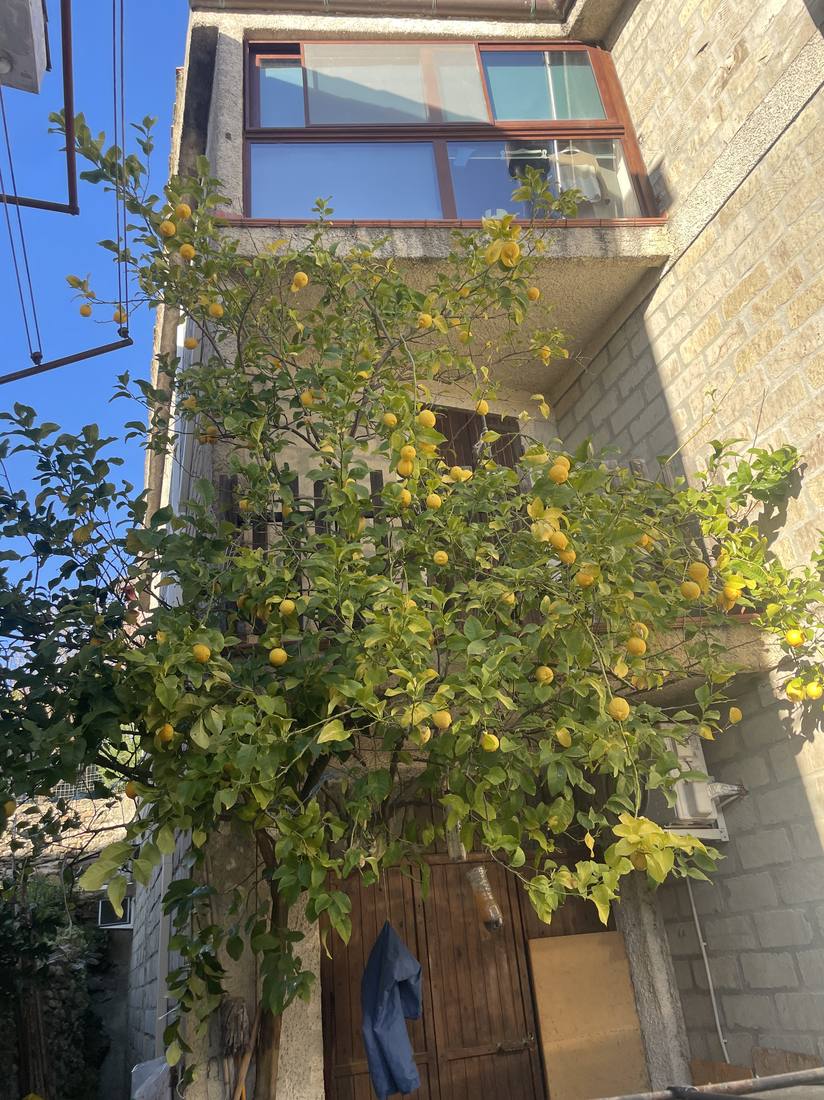
A lemon tree grown up a stone facade
A lemon tree trained three storeys up a village wall.
Longevity

People here live to be very old, and nobody is entirely sure why.

Seulo has been certified since 2016 as part of one of the world's Blue Zones, the small number of places where people routinely reach a hundred. It holds the highest recorded concentration of centenarians of any municipality on earth.

On a wall in the village there is a plaque to Nurcis Antonia, known as Nenne, born in Seulo on 5 January 1918 and died in 2018 at the age of one hundred. It is written in Sardinian. Her family put it there.

The wellness industry sells longevity as a programme. Here it is simply what happens, and it is the product: the walking, the diet, the wine, the pace, the fact that nobody is in a hurry. A spa built into this is not a treatment menu bolted onto a hotel. It is the place, made available.

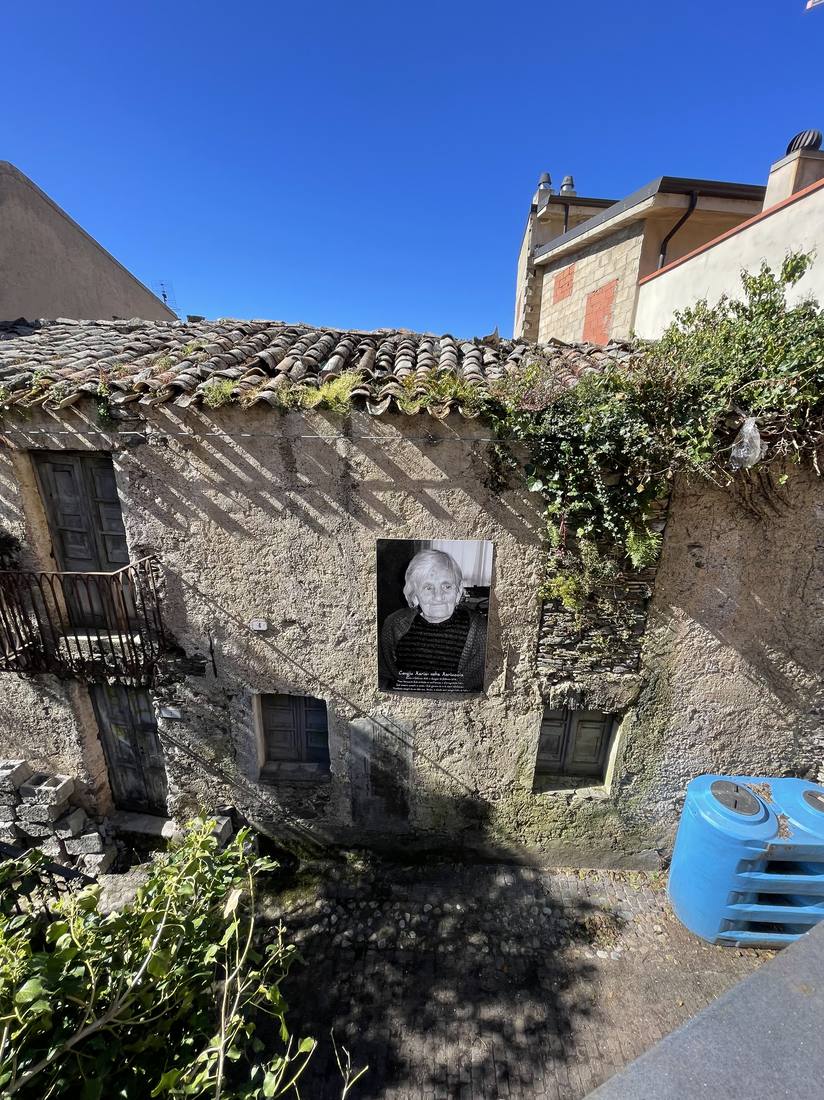
Portraits of elderly residents mounted on a village facade
The village already mounts photographs of its elders on the walls of its houses. Nobody had to invent that.
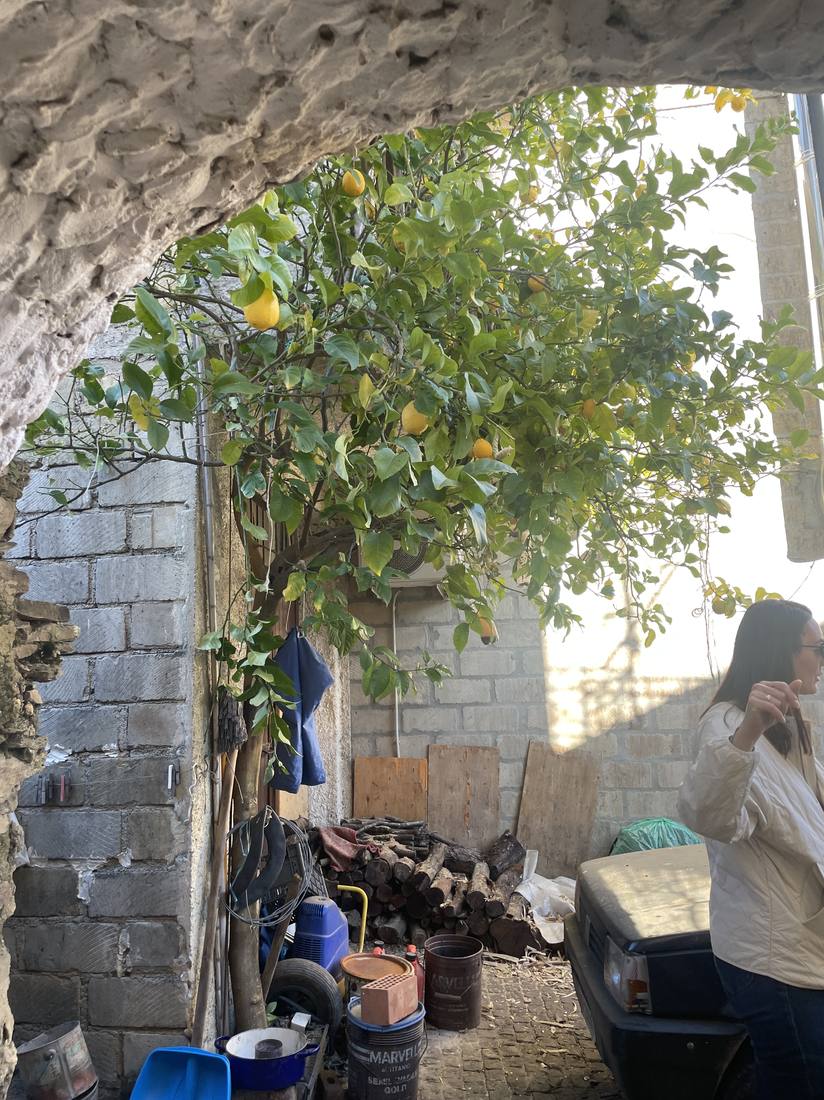
A courtyard with a lemon tree, stacked firewood and an old car
A courtyard in the village. Lemons, firewood for the winter, a car under a sheet.
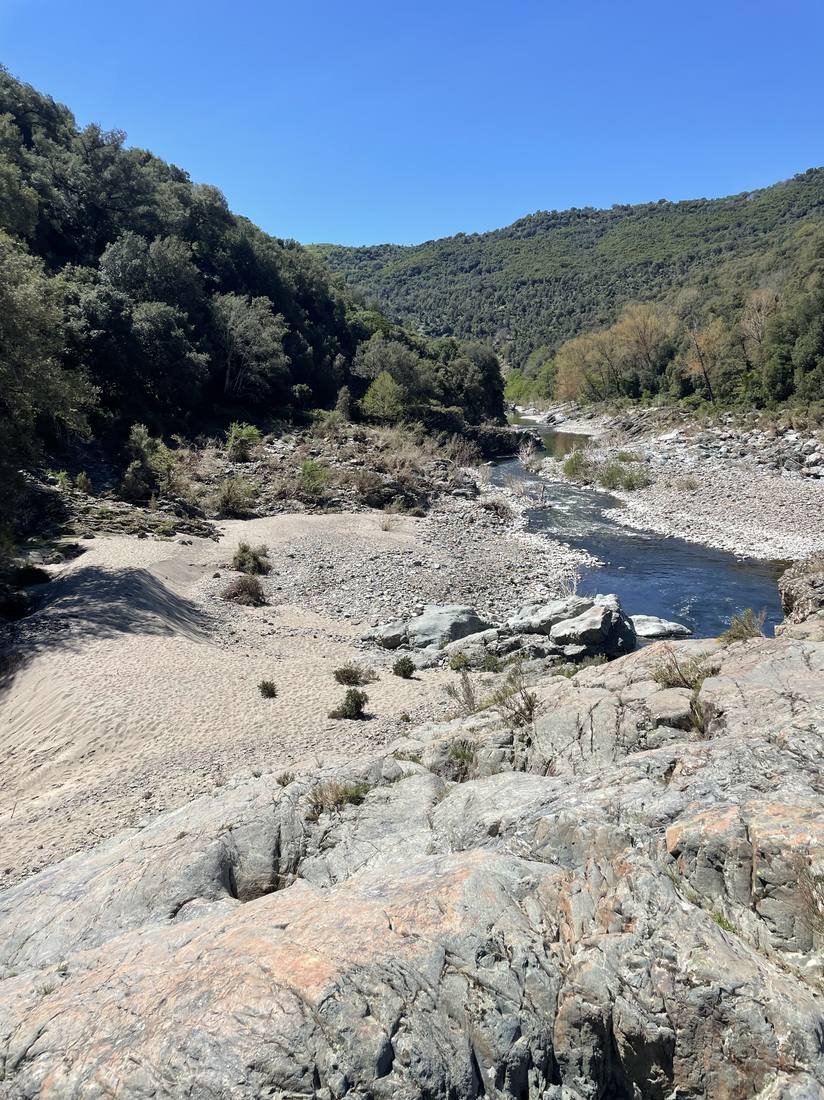
The Flumendosa gorge
The idea

A hotel with no hotel in it.

Forty four buildings. Twenty restored as guest houses, scattered through the streets. No lobby, no corridor, no resort wall.

Guests stay in houses on the same lanes as the people who live here. They buy bread from the baker and cheese from the cheesemaker, because those are real businesses in restored units we own and let cheaply to the right people. They eat at a restaurant run by somebody actually from Seulo.

Outside the village, on a serviced plot with the utilities already in, one new building holds the spa, the restaurant, the bar and the pools. It is the only thing we build from nothing, and it is the reason the rest works.

The buildings we do not restore in the first phase are still bought, and their fronts are put right, so the village comes up as one place rather than a restored street surrounded by dereliction.

  • 53 keys across twenty restored buildings
  • A destination spa, restaurant and events venue on the hillside
  • Twelve commercial units let to real producers
  • Electric Vespas, silent in stone streets
  • Open seven months. Closed, not discounted, for five.
The village

What is actually there.

We have walked and photographed sixty six buildings. Roughly half are empty but structurally sound, roofs on, floors in, waiting. A seventh are shells. The rest are lived in, and those we leave alone unless somebody wants to sell.

Derelict stock in these mountains sells for between eight and thirty thousand euros a building. That is not a negotiating position. That is the market, and it is the single strongest fact in this project.

Every owner will be offered the same price per square metre, adjusted only for size and condition. Published, and the same for everyone. It is the only version that survives the mayor being asked about it in the bar.

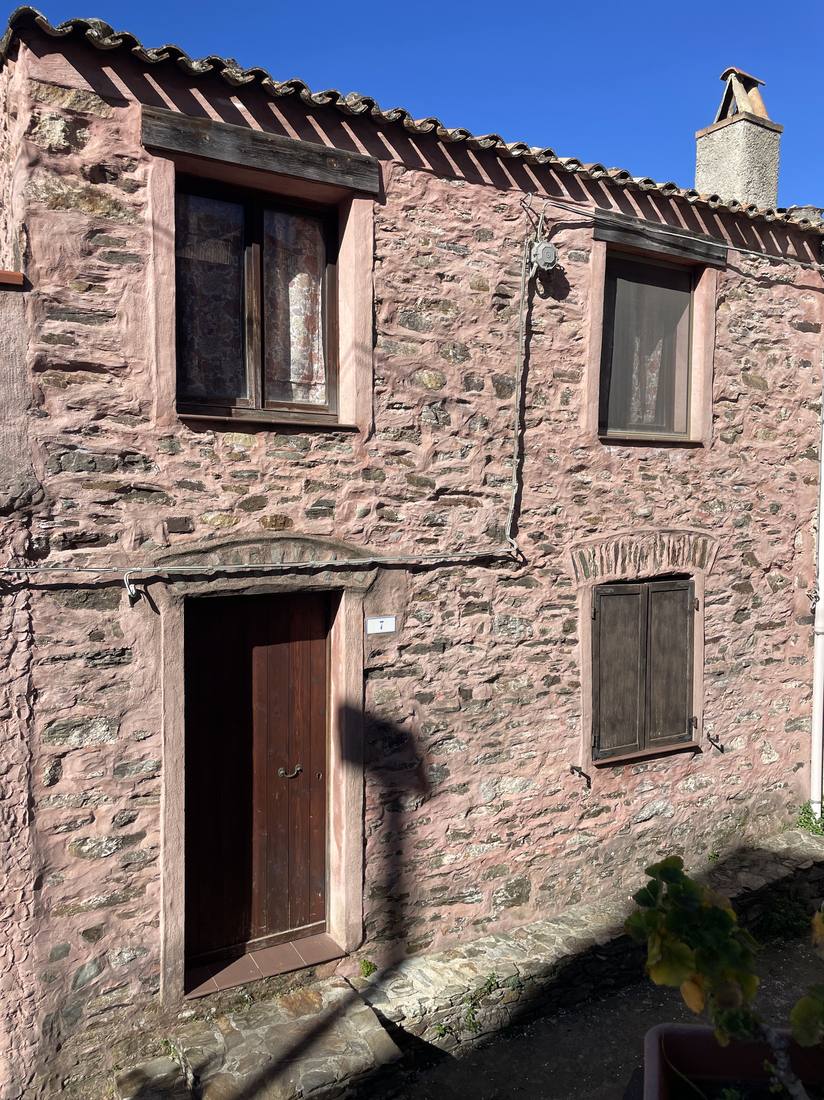
A stone facade in pink trachyte
Pink trachyte, timber lintels, an arched window head. Lived in.
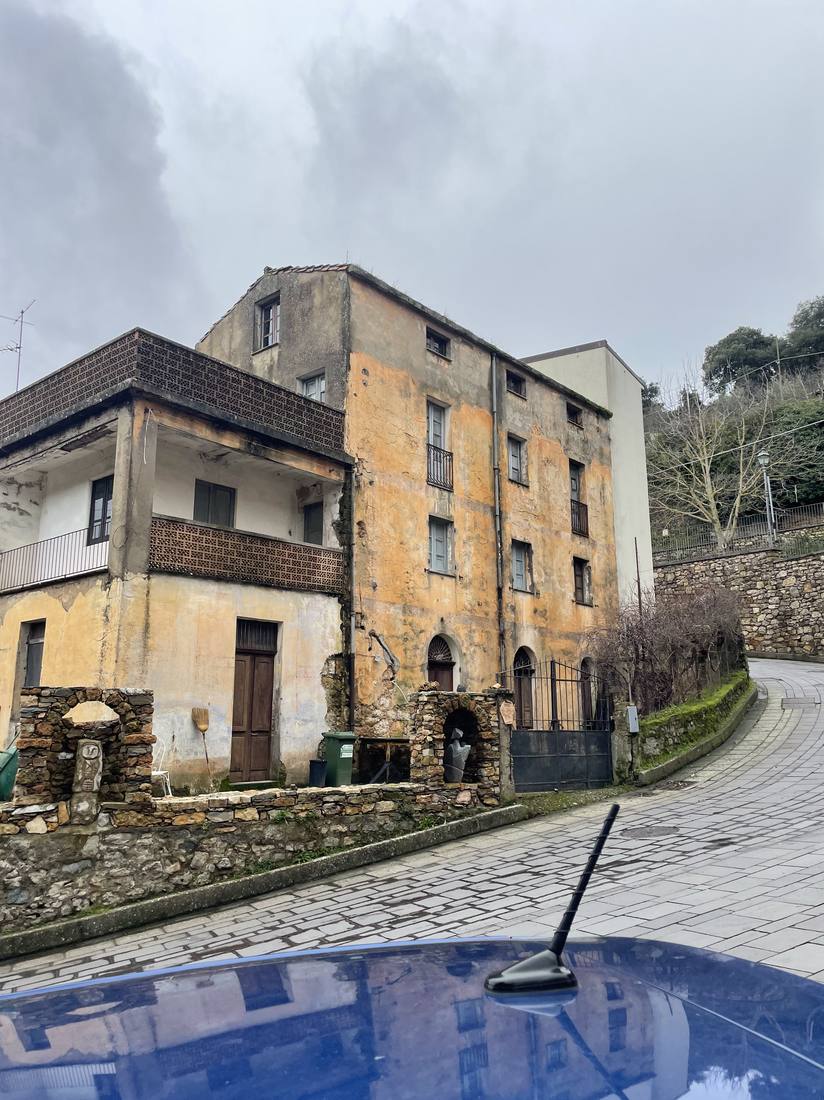
A large derelict building on a corner
Fifteen metres of frontage, three storeys, a stone well built into the wall. Empty.
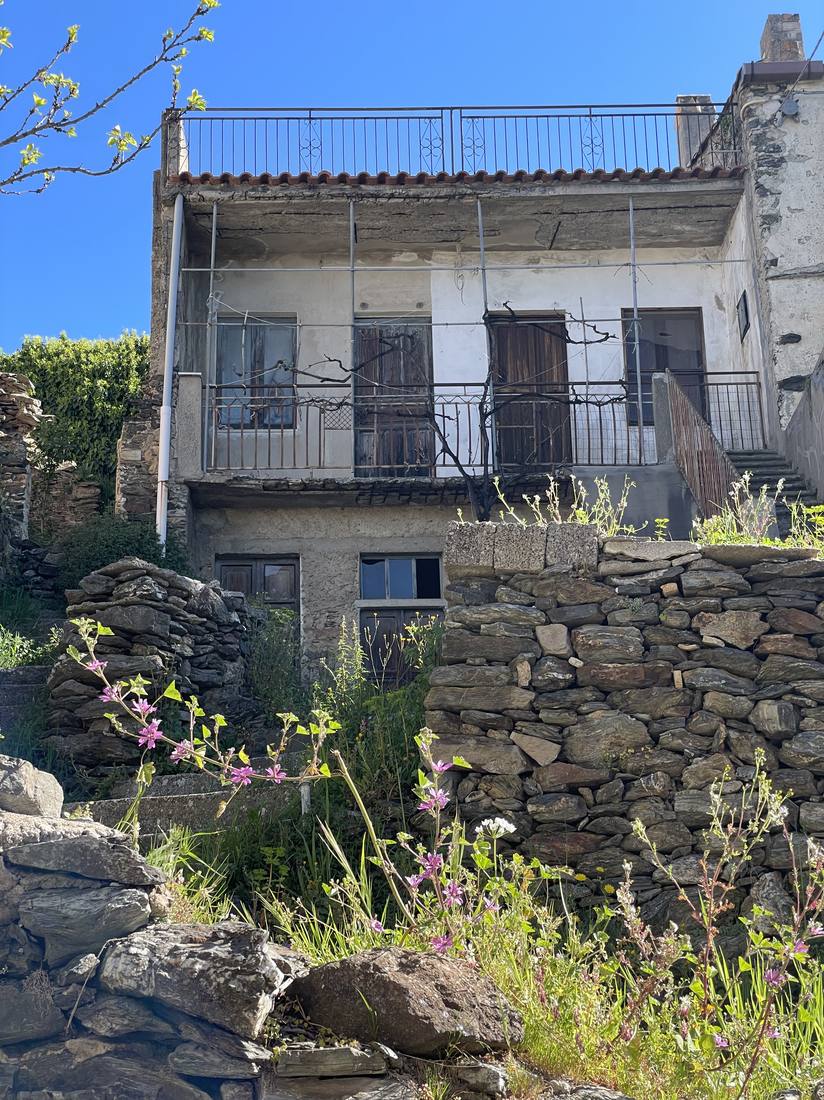
A building with a full width terrace
A full width terrace above dry stone walls. This becomes a suite.
The people

We are not importing the culture. We are paying its rent.

Maria Carta runs Is Femminas in Cagliari. She is from Seulo and she wants to come home. That is the first lease we intend to sign.

Sinnos make cheese in these mountains the way it has always been made here. There is a butcher already trading in the village, and we will not go near him.

We buy the empty commercial units, put the shells and the shopfronts right, and let them at a discount to producers who are the real thing. They pitch for the space. A panel decides, and one of the panel is from the village.

At the hillside restaurant, a rotation of Italian chefs in residence, a new name every few weeks. It gives the place something to say in May, which is when a mountain village is hardest to sell.

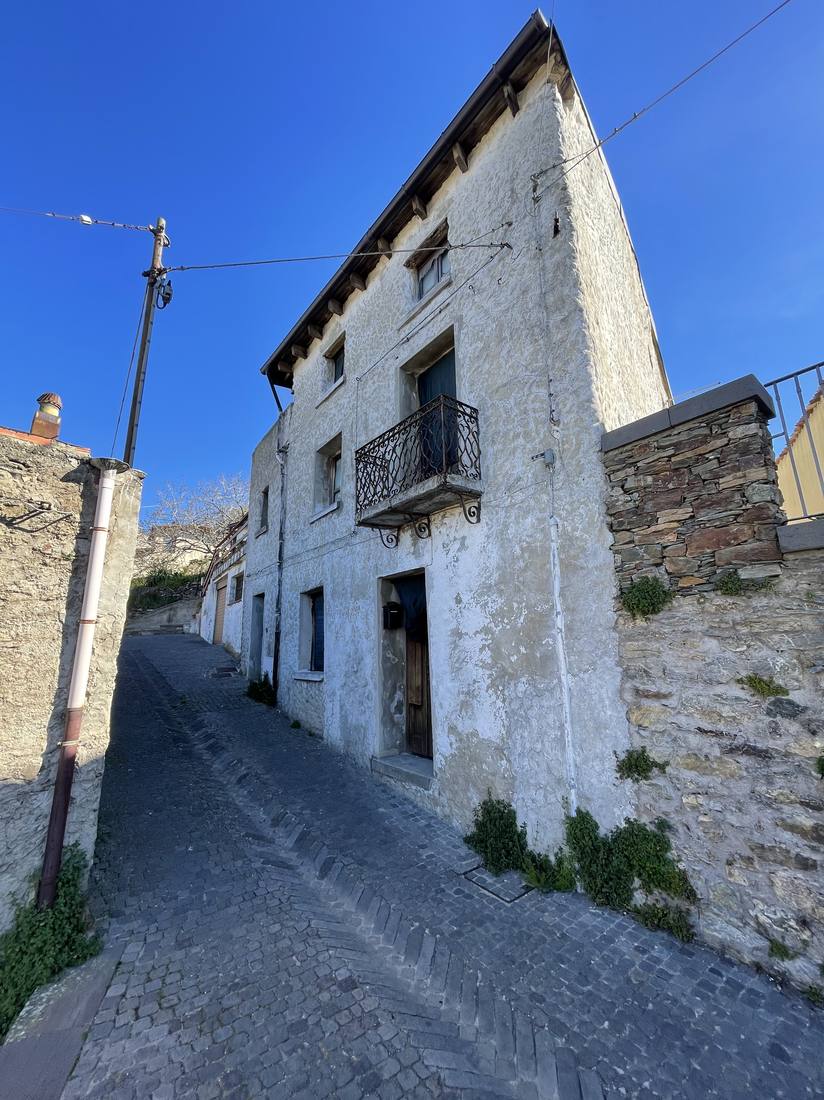
A steep cobbled lane
The lanes are steep and cobbled and mostly too narrow for a car.
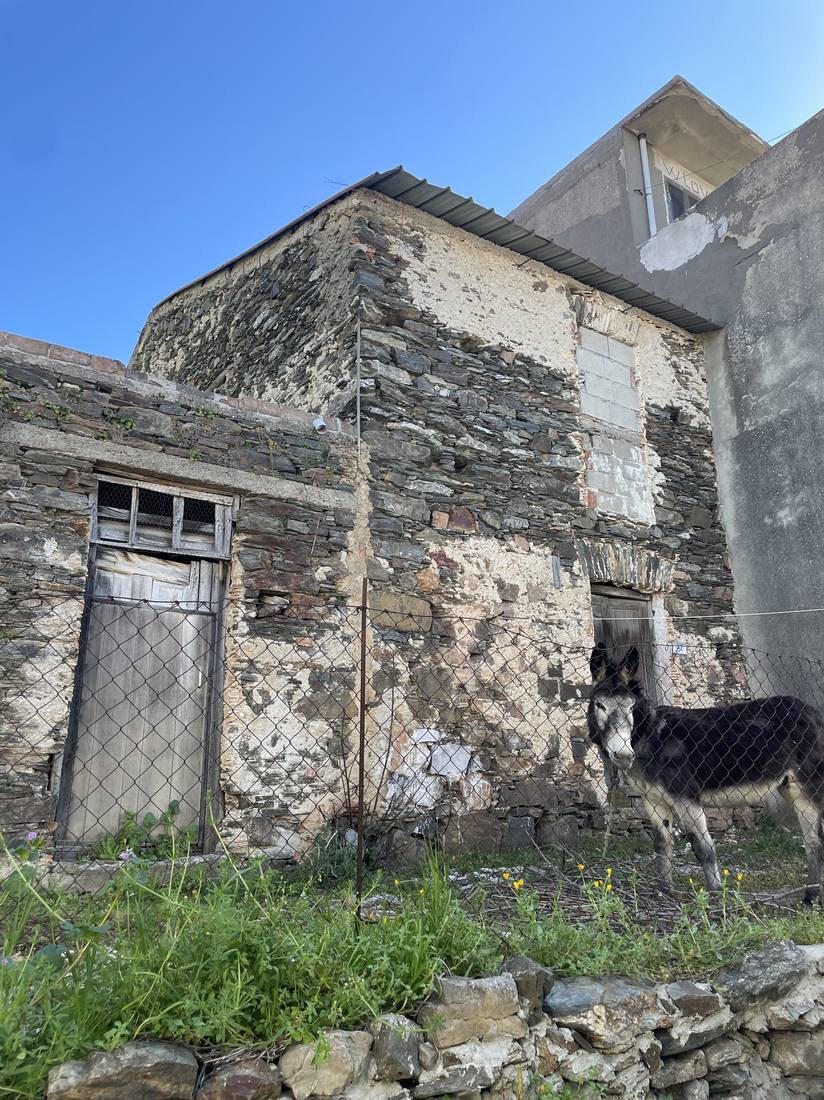
A donkey in front of a stone building
Still a working village, which is the whole point.
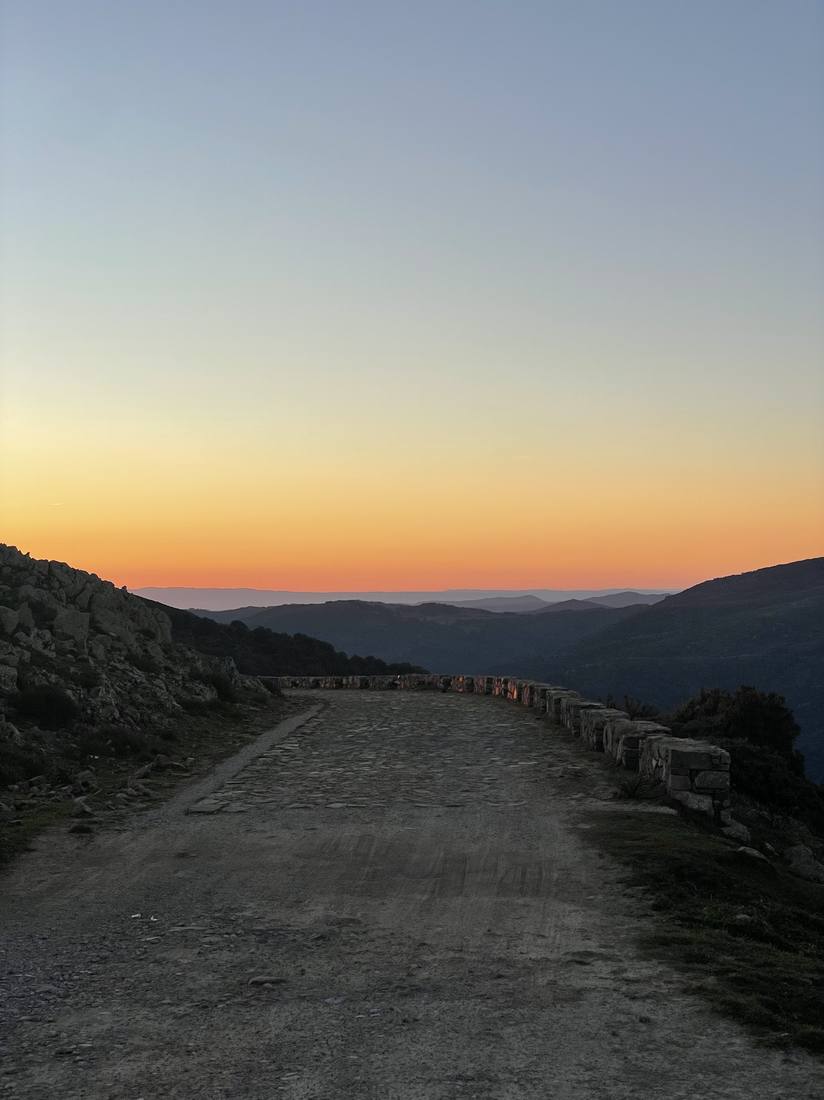
A dry stone walled track at dusk
The road out, at the end of the day.
Beyond Seulo

There are about fifteen thousand more of these.

Southern Europe is emptying out of its mountains and into its cities, and it has been for sixty years.

Spain, Portugal, Greece and Italy between them hold thousands of villages on the same trajectory as Seulo: beautiful settings, real culture, sound building stock, and not enough people left to keep the school open.

Nobody is doing this at quality and at scale. The handful of projects that exist are single properties built by one obsessive over twenty years, and they are wonderful, and they do not repeat.

Seulo is not the asset. Seulo is the proof. If it works here, the model is portable, the brand travels, and the buildings will still be cheap in the next village because nobody else wants them yet.

~15,000
Depopulating villages
in southern Europe
44
Buildings targeted
in Seulo
53
Keys in
phase one and two
<1,000
People left
in the village
Investors

An honest number, and something you cannot put in a spreadsheet.

This is not a fund and it does not pretend to be an institutional return.

The base case returns a little over twelve percent to investors over ten years, against a raise of roughly twenty six million euros. With the Sardinian state aid we are entitled to apply for, that improves materially. Every figure traces to a named comparable or a market source, and the downside cases are published alongside the base.

Alongside it: Founding Members take a stake, four weeks a year in a named building in perpetuity, first refusal to buy that building outright, and their name on the restoration. Founders contribute no cash and receive nothing until investors have their capital back with a preferred return on top.

If you want the version with the spreadsheets, the comparables, the risks and the things we still do not know, ask and we will send it.

Request the materials Investor page
Somebody is going to be the last person born in Seulo.

That is not a marketing line, it is arithmetic. The village has fewer than a thousand people and the number falls every year.

There is a version of the next twenty years where the houses fall in, the school closes, and the plaques on the walls are the only people left. And there is a version where somebody restores it properly, pays the producers, fills the lanes seven months a year, and the arithmetic turns round.

We think the second version is also a reasonable investment. But we are not going to pretend that is the main reason to do it.

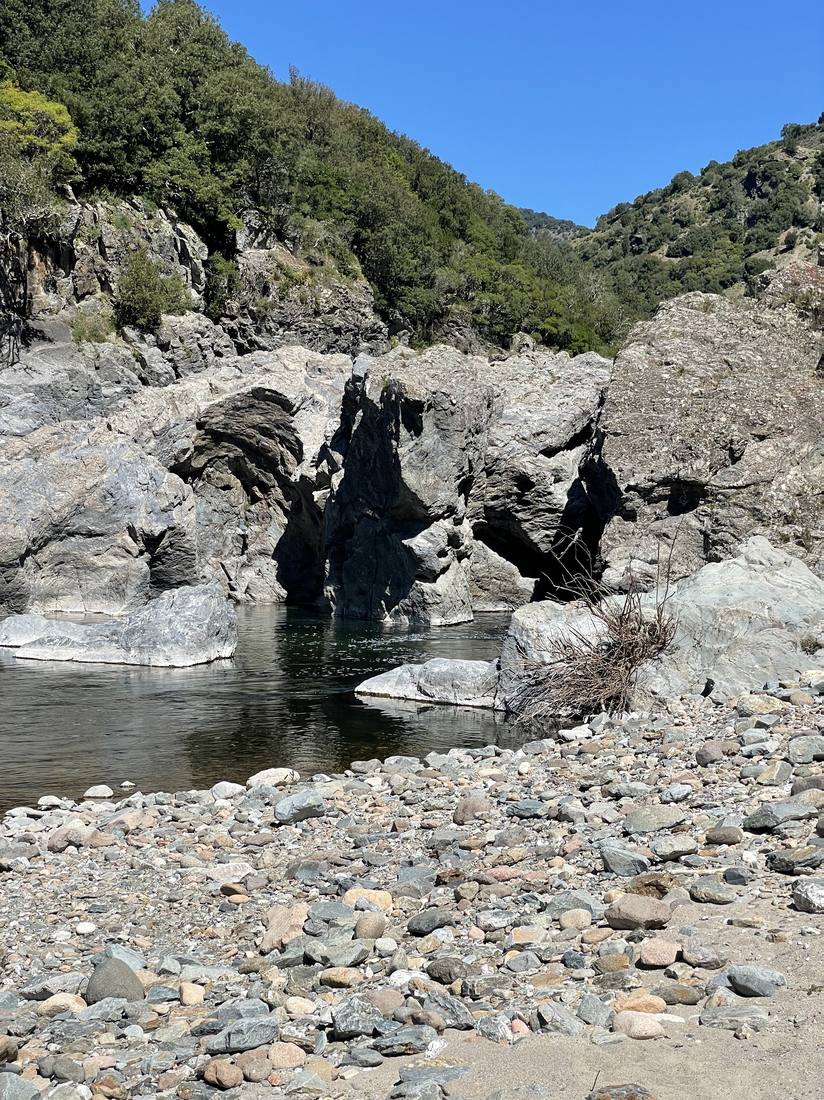
A pebble beach in the gorge below the village